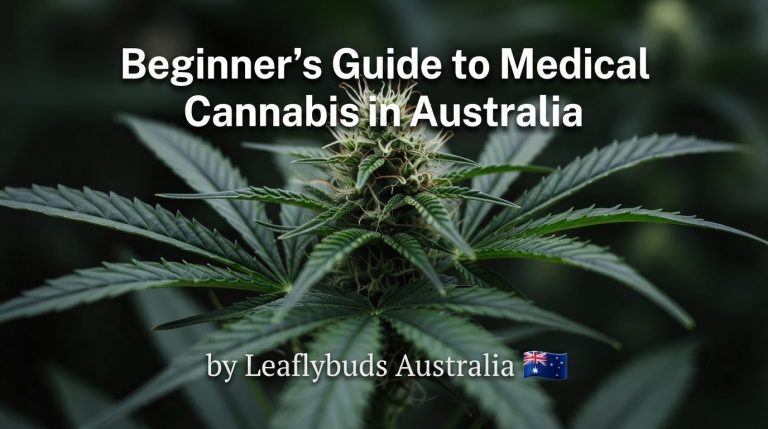
Beginner's Guide to Medical Cannabis in Australia
Medical cannabis has been legally accessible in Australia since 2016 through TGA-regulated pathways. This guide walks new patients through exactly how access works, what to expect, realistic costs, and the driving rules that catch many patients off guard.
What Is Medical Cannabis?
Medical cannabis refers to cannabis-based products prescribed by registered doctors to help manage symptoms when other treatments haven't provided sufficient relief. It contains natural compounds from the cannabis plant — primarily THC and CBD — in controlled doses and quality-assured forms manufactured to pharmaceutical standards.
It is not the same as recreational cannabis, and it is not the same as unregulated hemp or CBD supplements sold outside the medical system. Most medical cannabis products in Australia are classified as Schedule 8 "Controlled Drugs" under the Poisons Standard when they contain THC, and can only be legally supplied against a valid prescription through TGA-regulated access pathways.
Who Might Consider Medical Cannabis?
Patients who may be eligible often have:
Eligibility is always determined by a registered prescriber after reviewing your medical history — this list is illustrative, not exhaustive. There are no fixed federal restrictions on which conditions may be treated; the prescriber must simply provide clinical justification.
The Step-by-Step Patient Journey for Beginners
Research & Self-Assessment
Learn the basics (you're here now) and check whether you have a diagnosed condition with previous treatments tried that haven't provided sufficient relief.
Choose a Clinic
Telehealth clinics are the most common route in Australia. Look for AHPRA-registered doctors and clinics with transparent pricing and clear consultation processes.
Pre-Screening
Most clinics offer a free or low-cost initial eligibility questionnaire before booking a full consultation.
Submit Medical Records
You'll need to provide relevant medical history, usually from your GP or specialist, showing previous treatments tried.
Specialist Consultation
Video or phone appointment ($80–$200 AUD typically). The doctor assesses whether medical cannabis is clinically appropriate for your condition.
TGA Approval & Prescription
If appropriate, your prescriber submits an application through the TGA's Special Access Scheme or prescribes under their Authorised Prescriber approval. Once approved, the prescription is sent to a compounding or dispensing pharmacy.
Delivery
Medication is dispatched securely to your door, or collected from a partner pharmacy depending on the clinic.
Follow-Up Care
Regular reviews to monitor effects, adjust dosage, and ensure ongoing safety and appropriateness.
Understanding TGA Access Pathways
Unlike a standard PBS-listed medicine, most medical cannabis products in Australia are "unapproved therapeutic goods" — meaning they aren't listed on the Australian Register of Therapeutic Goods (ARTG) and haven't been individually evaluated by the TGA for safety, quality, or effectiveness at a product level. This doesn't mean they're unregulated — it means access happens through one of two main pathways.
🩺 Special Access Scheme (SAS Category B)
Your prescriber applies to the TGA for approval to supply an unapproved product to you specifically, providing clinical justification — your symptoms, treatments already tried, and why existing approved medicines aren't suitable. Applications are typically reviewed within 2–5 business days. This is the most common pathway for new patients.
📋 Authorised Prescriber (AP) Scheme
Some doctors hold standing TGA approval to prescribe specific medical cannabis products to a whole class of patients with a given condition, without submitting a fresh application every time. This can mean a faster process once you're an established patient. Many telehealth clinics have doctors operating under this pathway.
What to Expect During Treatment
- Forms prescribed: Most beginners start with oils or tinctures. Some are prescribed vaporised dried flower depending on their condition.
- Onset time: Effects vary — oils typically take 30–90 minutes; vaporised flower acts faster, within minutes.
- Titration: Prescribers usually start with low doses and slowly increase — "start low, go slow" is standard practice.
- Side effects: Possible dry mouth, drowsiness, dizziness, or changes in appetite — your prescriber will discuss these before you start.
Common Forms of Medical Cannabis for Beginners
| Form | How It's Used | Best for Beginners? | Notes |
|---|---|---|---|
| Oils / Tinctures | Drops under the tongue or swallowed | Yes (most common) | Easy to dose precisely, slower onset |
| Capsules | Swallowed like a normal tablet | Yes | Very precise, consistent dosing |
| Dried Flower | Vaporised — never smoked | Sometimes | Faster effect, requires a registered vaporiser device |
| Sprays | Oral mucosal spray | Less common | Used for specific licensed products only |
Approximate Costs (Private Route)
| Item | Approximate Cost | Notes |
|---|---|---|
| Initial Consultation | $80 – $200 AUD | Some clinics partially refund if you're found ineligible |
| Follow-Up Appointments | $50 – $100 AUD | Usually every 1–3 months |
| Monthly Medication | $150 – $500+ AUD | Highly variable depending on product and dosage |
| Vaporiser (if needed) | $100 – $300 AUD (one-time) | Must be a TGA-registered device |
Note: All costs are paid privately. The Pharmaceutical Benefits Scheme (PBS) does not subsidise the overwhelming majority of medical cannabis products, since most are accessed as unapproved therapeutic goods rather than PBS-listed medicines.
Medical Cannabis and Driving in Australia
This is one of the most misunderstood parts of medical cannabis in Australia, and it's genuinely different from how prescription medicine usually works: having a valid prescription does not automatically mean you're legally allowed to drive. Australian roadside drug testing detects the presence of THC, not impairment — and THC can remain detectable well after any impairment has worn off.
CBD-only (THC-free) products are not subject to these restrictions, since CBD does not impair driving ability. Laws are actively changing state by state — always confirm the current rules in your specific state or territory before driving, and discuss your situation directly with your prescriber.
Common Beginner Questions
Important Safety Notes
- Never smoke medical cannabis — vaporisation is the only medically endorsed method for dried flower.
- Store medication securely, away from children and pets.
- Inform your prescriber about all other medications you take, including over-the-counter and herbal products, due to potential interactions.
- Carry proof of your prescription when travelling within Australia.
- Never drive without first confirming your state's current THC driving rules with your prescriber.
Ready to Learn More?
If you think medical cannabis may help you, the best first step is contacting a reputable Australian telehealth clinic for a pre-screening. Verified providers operating in Australia include Alternaleaf, Cannatrek, and Montu, among others — always confirm AHPRA registration for the prescribing doctor.
Further Resources: